Ever strapped on snowshoes, only to feel like you’re sinking into an endless winter snow trail? Yeah, we’ve been there too. But what if I told you that with the right tips and tools, your next snowshoeing adventure could turn from “sink-or-swim” to “chef’s kiss”? Let’s dive into how to master winter snow trails and make every step feel epic.
Purpose: In this post, we’ll explore everything about snowshoeing tours—from choosing the best trails to avoiding rookie mistakes (like me once wearing summer hiking boots in -20°C). By the end, you’ll have a clear plan for conquering those frozen wonderlands.
Preview: You’ll learn why winter snow trails are worth exploring, get a step-by-step guide to planning your tour, discover pro tips for maximizing fun, and hear real success stories. Plus, FAQs to answer all your burning questions!
Table of Contents
- Why Winter Snow Trails Matter
- How to Plan Your Perfect Snowshoeing Tour
- Pro Tips for Navigating Winter Snow Trails
- Real-Life Stories: From Rookie Mistakes to Pro Moves
- FAQs About Snowshoeing and Winter Snow Trails
Key Takeaways
- Winter snow trails offer unique adventures filled with breathtaking views and serene landscapes.
- Preparation is key—choose the right gear, pick beginner-friendly trails, and pack essentials.
- Avoid common pitfalls like underestimating weather conditions or overloading your backpack.
Why Winter Snow Trails Matter
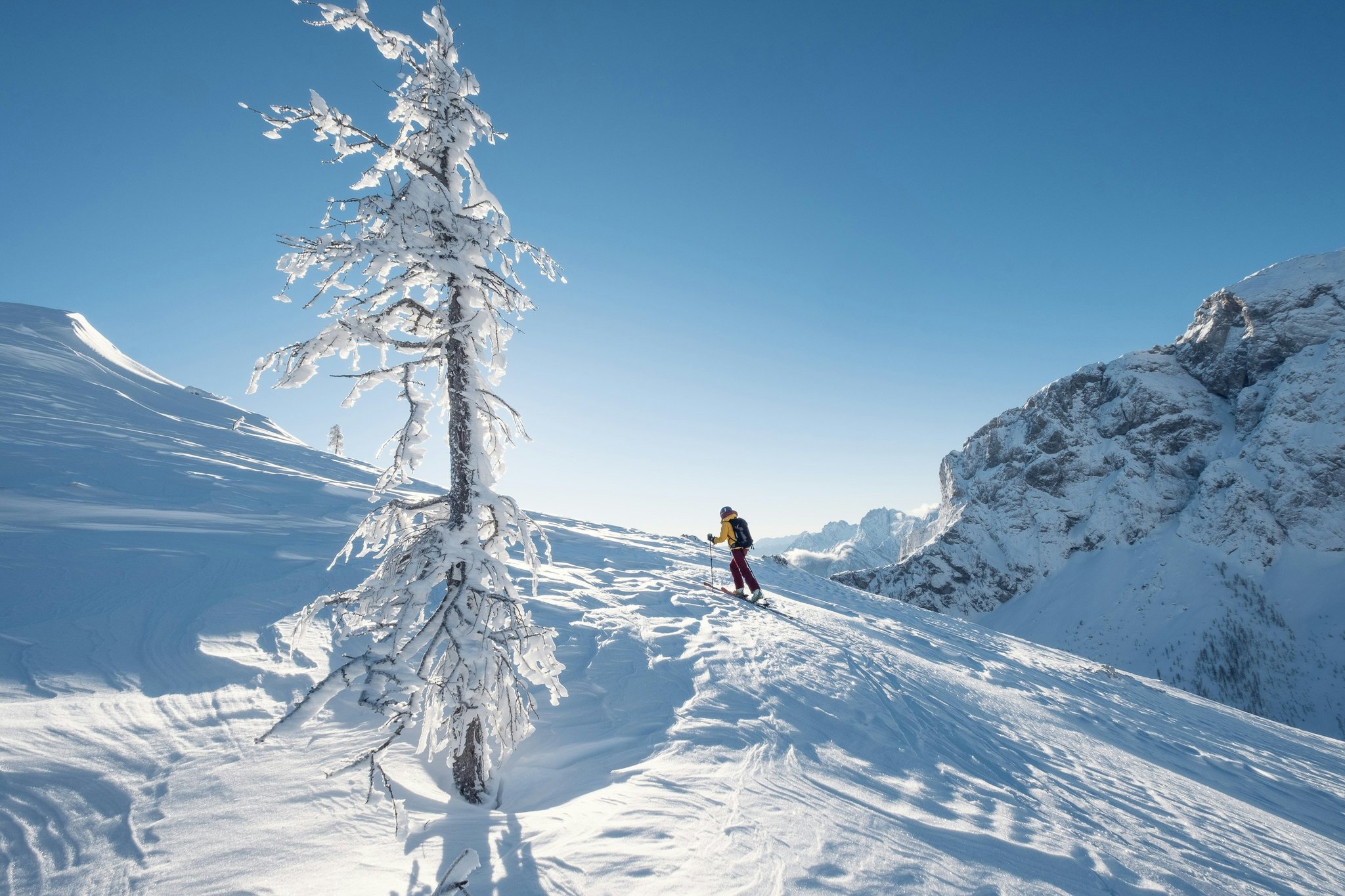
Let me tell you about my first snowshoeing experience. Picture this: It was -15°C, and instead of cozy thermal socks, I wore thin cotton ones because… well, ignorance is bliss until frostbite hits. My feet were blocks of ice within minutes. The lesson? Winter snow trails demand preparation—not just warm clothes but knowing the terrain, too.
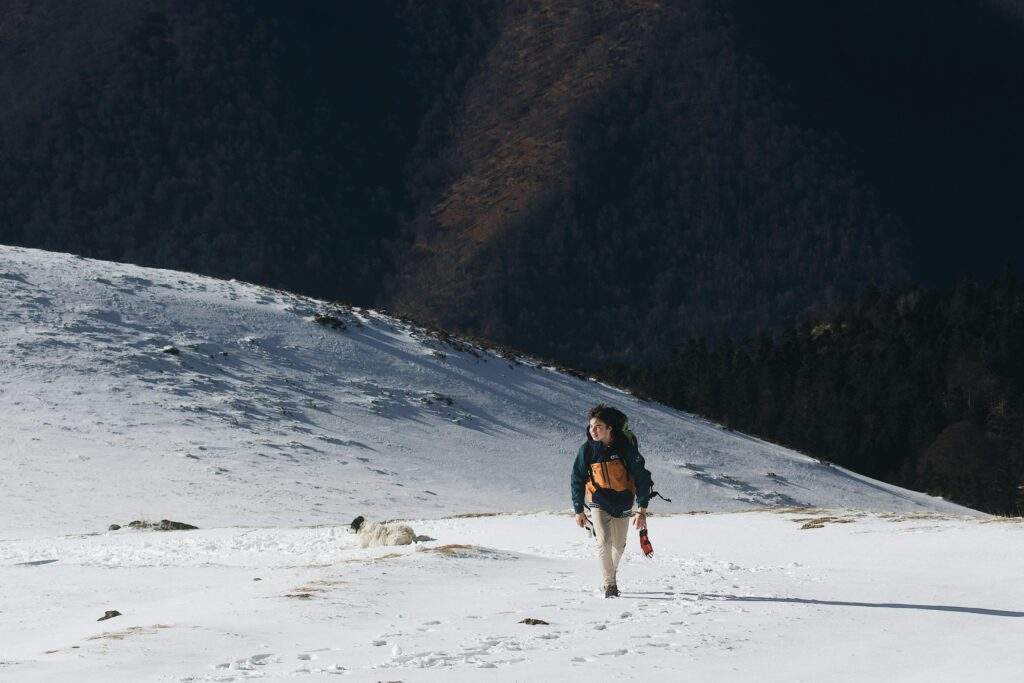
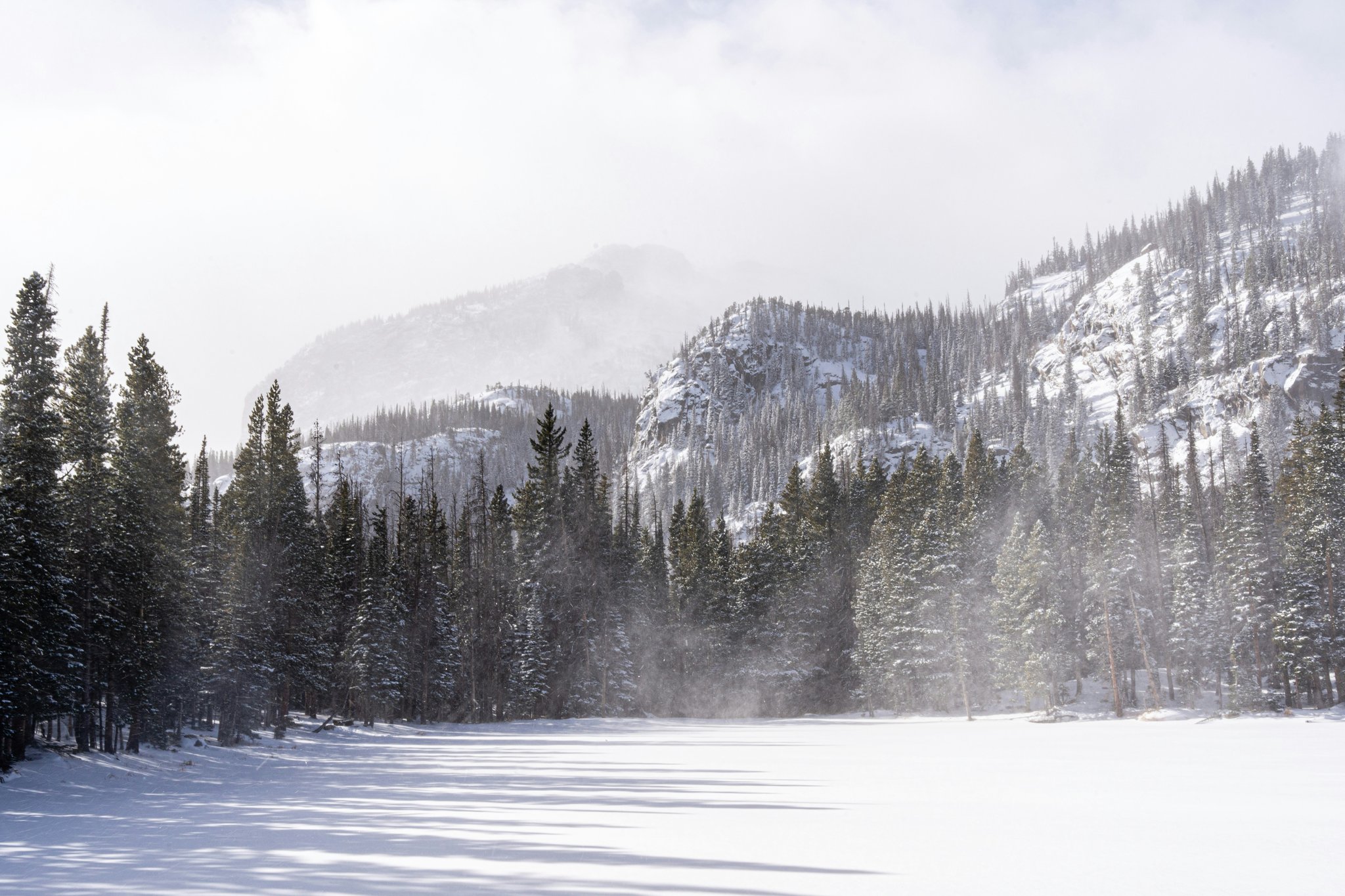
Snowshoeing isn’t just another outdoor activity; it’s a passport to untouched beauty. Imagine gliding across powdery fields, surrounded by towering pines dusted with fresh snow—a scene straight out of a Hallmark movie. And unlike skiing, which requires skill and equipment, snowshoeing is accessible even for novices.
Rant Time: Nothing grinds my gears more than seeing tourists show up in city sneakers, expecting to conquer rugged trails without breaking a sweat. Winter snow trails respect no one—not even Instagram influencers.
How to Plan Your Perfect Snowshoeing Tour
Optimist You: “Follow these steps, and you’re golden!”
Grumpy You: “Ugh, fine—but only if snacks are involved.”
Step 1: Choose Your Trail Wisely
Not all winter snow trails are created equal. Research local options based on difficulty (easy, moderate, advanced) and scenery. Apps like AllTrails can help find user-rated paths near you.
Step 2: Gear Up Like a Pro
Invest in quality snowshoes, waterproof boots, thermal layers, and trekking poles. Borrow before buying if you’re testing the waters—or snow, in this case.
Step 3: Pack Smart
This isn’t summer hiking. Carry high-calorie snacks, extra layers, hand warmers, and enough water to stay hydrated despite sub-zero temps. Bonus: A small Thermos of hot cocoa feels like liquid happiness on a cold trail.
Pro Tips for Navigating Winter Snow Trails
- Dress in Layers: Sweat turns deadly in freezing temps. Start light and add as needed.
- Know When to Turn Back: Bad weather can sneak up fast. Check forecasts obsessively.
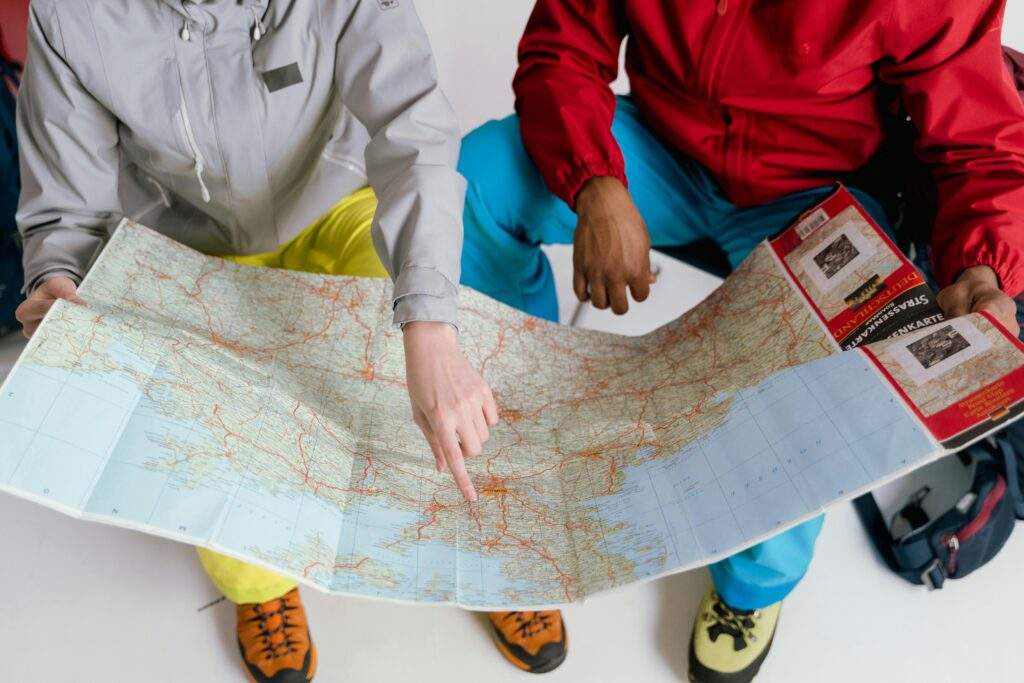
- Don’t Forget Navigation Tools: Phones die faster in the cold. Bring a compass and physical map.
Terrible Tip Alert!
Some guides suggest using plastic bags inside your boots for insulation. Don’t. Unless soggy socks sound appealing.
Real-Life Stories: From Rookie Mistakes to Pro Moves
Mary P., a self-proclaimed indoor enthusiast, tried snowshoeing last January. She ignored advice to bring spare gloves—and ended up losing hers halfway. Her takeaway? Always carry duplicates.
On the flip side, Steve K. credits his GPS watch for saving him during a blizzard when he ventured off-trail chasing wildlife photos. Lesson learned: Technology matters—but backup plans matter more.
FAQs About Snowshoeing and Winter Snow Trails
Q: Is snowshoeing hard?
Nope! Think walking—just slower and slightly louder thanks to crunching snow.
Q: What should I wear?
Thermal base layers, waterproof boots, gloves, hats, and sunglasses for glare.
Q: How do I avoid getting lost?
Stick to marked trails, use navigation apps, and always let someone know where you’re headed.
Conclusion
Winter snow trails aren’t just paths—they’re invitations to adventure. With proper prep and a sense of humor, you can transform icy challenges into unforgettable memories. So grab those snowshoes, lace up those boots, and embrace the magic of winter one step at a time.
Coffee’s optional, but highly recommended.
Haiku Time:
Snow whispers secrets,
Boots echo through stillness,
Trail meets twilight glow.